

Have you noticed that smartphones and laptops are becoming more expensive? You’re not alone. In 2026, many electronic devices are seeing price increases due to the global semiconductor shortage.
Unlike the COVID-19 chip shortage, today’s problem is mainly caused by the rapid growth of Artificial Intelligence (AI). Tech companies are buying huge numbers of advanced chips to power AI data centers, leaving fewer chips available for consumer electronics.
As a result, manufacturers are paying more for important components like RAM and storage chips, and some of these extra costs are being passed on to customers.
In this article, we’ll explain:
- What the semiconductor shortage is
- Why it’s happening in 2026
- Why smartphone and laptop prices are increasing
- How it could affect buyers in Nepal
- Whether you should buy now or wait
What Is a Semiconductor Shortage?
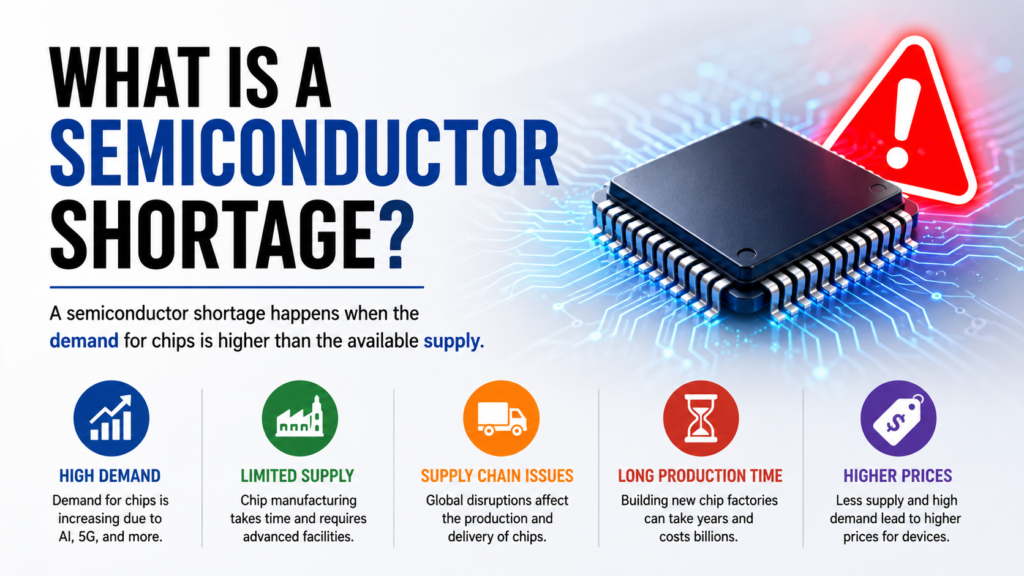
A semiconductor (or chip) is a small electronic component found inside smartphones, laptops, tablets, gaming consoles, cars, and many other devices.
A semiconductor shortage happens when global demand for these chips becomes higher than the available supply. When manufacturers can’t produce enough chips, companies pay more for them, increasing the cost of making electronic devices.
The current shortage is mainly affecting advanced memory chips, which are widely used in AI servers, smartphones, and laptops.
Why Is the Semiconductor Shortage Happening?
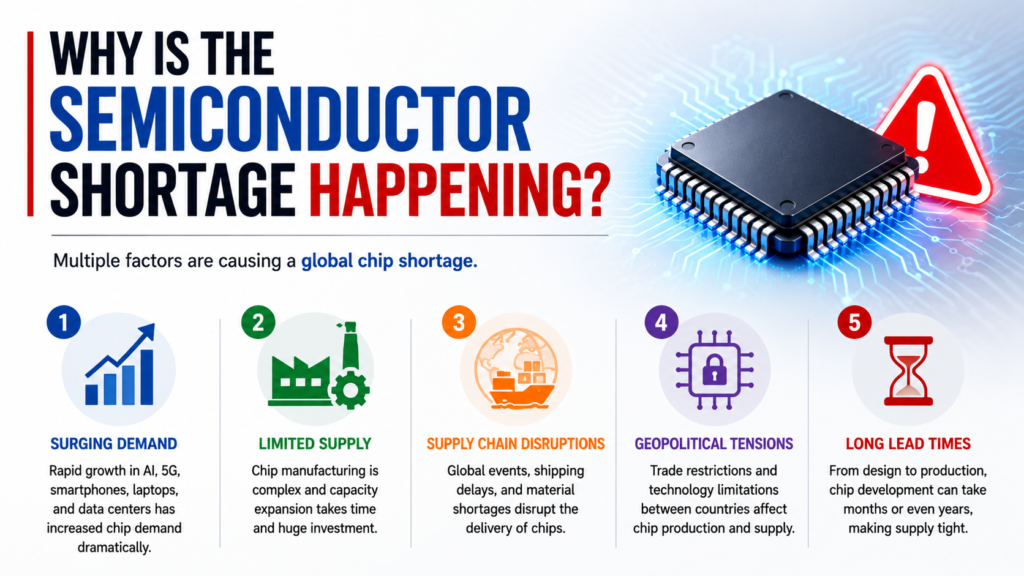
AI Is Driving Huge Demand
The biggest reason behind the shortage is the rapid growth of AI.
Companies like OpenAI, Google, Microsoft, Meta, and Amazon are building massive AI data centers that require millions of advanced memory chips. This demand has grown much faster than chip production.
Chip Production Takes Time
Building a semiconductor factory costs billions of dollars and can take several years. Even though manufacturers are expanding production, they can’t increase supply overnight.
Memory Chips Are Becoming More Expensive
Smartphones and laptops rely on RAM and storage chips. As memory chip prices continue to rise, manufacturers are spending more to build devices, which is one of the main reasons electronics are becoming more expensive in 2026.
Why Are Smartphone Prices Increasing?

The biggest reason behind rising smartphone prices is the increasing cost of memory chips like RAM and storage (NAND Flash). These are essential components in every smartphone, and their prices have risen due to the global semiconductor shortage.
As manufacturers pay more for these components, they either increase the selling price or reduce specifications to keep costs under control.
According to industry analysts, the average smartphone price could increase by around 5% to 10% during 2026, although the exact increase will depend on the brand, model, and market.
For example:
- A smartphone that costs NPR 30,000 today could increase to around NPR 31,500–33,000.
- A flagship phone priced at NPR 150,000 could become NPR 157,500–165,000 if component costs continue to rise.
Budget and mid-range smartphones are expected to be affected the most because manufacturers have smaller profit margins in these segments.
Why Are Laptop Prices Increasing?

Laptops use many of the same semiconductor components as smartphones, including RAM, SSDs, processors, and power management chips. As these parts become more expensive, laptop manufacturers also face higher production costs.
Industry experts expect laptop prices to increase by around 5% to 8% in 2026, especially for gaming laptops, business laptops, and premium ultrabooks.
For example:
- A laptop priced at NPR 80,000 today could increase to around NPR 84,000–86,400.
- A gaming laptop costing NPR 180,000 could reach NPR 189,000–194,400.
Some brands may also keep prices unchanged but offer lower RAM or storage configurations to reduce costs.
Which Devices Could Become More Expensive?
The semiconductor shortage isn’t only affecting smartphones and laptops. Many electronic devices rely on the same chips, meaning their prices could also increase if the shortage continues.
Devices that may become more expensive include:
- 📱 Smartphones
- 💻 Laptops
- 🖥️ Desktop PCs
- 🎮 Gaming PCs
- 🎮 Graphics Cards (GPUs)
- 💾 RAM
- ⚡ SSDs
- 📺 Smart TVs
- 📟 Tablets
The price increase will vary by brand and product, but electronics that rely heavily on memory chips are expected to see the biggest impact.
Will Smartphone and Laptop Prices Increase in Nepal?
Since Nepal imports almost all of its smartphones, laptops, and computer components, global price increases often affect the local market as well.
If manufacturers continue raising prices because of the semiconductor shortage, Nepali buyers may also see higher prices in the coming months. Import duties, shipping costs, and currency exchange rates could make the increase even more noticeable.
Based on current market trends, smartphone and laptop prices in Nepal could rise by around 5% to 10%, depending on the brand and model.
If you’re planning to buy a new smartphone, laptop, or upgrade your PC with more RAM or an SSD, purchasing sooner rather than later could help you avoid paying more if global component prices continue to climb.
Should You Buy a Smartphone or Laptop Now?
If you’re planning to buy a new smartphone or laptop in the next few months, you might be wondering whether you should buy now or wait.
The answer depends on your needs.
Buy Now If:
- Your current phone or laptop is old or no longer works properly.
- You’re starting college, work, or a new project and need a device soon.
- You’re planning to upgrade your PC with RAM or an SSD, as memory prices may continue to rise.
- You find a good discount or festival offer.
Wait If:
- Your current device still performs well.
- You’re waiting for a new model to launch.
- You don’t urgently need an upgrade and want to compare future prices.
If the semiconductor shortage continues through 2026, electronics could become more expensive. Buying sooner may help you avoid future price increases, but always compare prices and choose a device that fits your budget.
Frequently Asked Questions (FAQs)
1. What is a semiconductor shortage?
A semiconductor shortage happens when the demand for computer chips is higher than the available supply. Since these chips are used in smartphones, laptops, cars, and many other devices, a shortage can increase manufacturing costs and lead to higher prices.
2. Why are smartphone prices increasing in 2026?
Smartphone prices are increasing because manufacturers are paying more for important components such as RAM, storage chips, and other semiconductors. The rapid growth of AI has increased demand for these chips worldwide.
3. Why are laptop prices increasing?
Laptops use many of the same semiconductor components as smartphones. As RAM and SSD prices rise, laptop manufacturers also face higher production costs, which may result in higher retail prices.
4. Is AI causing the semiconductor shortage?
AI is one of the biggest reasons behind the current shortage. Companies are building massive AI data centers that require huge numbers of advanced chips, increasing global demand faster than manufacturers can expand production.
5. Will smartphone prices increase in Nepal?
They could. Since Nepal imports most smartphones, global price increases can affect the local market. Import taxes, shipping costs, and exchange rates may also influence retail prices.
6. Will laptop prices increase in Nepal?
Yes, if global semiconductor and memory chip prices continue to rise, laptop prices in Nepal may also increase, especially for gaming laptops and premium models.
7. Which devices are affected by the semiconductor shortage?
The shortage may affect:
- Smartphones
- Laptops
- Desktop PCs
- Tablets
- Gaming consoles
- Graphics cards (GPUs)
- RAM
- SSDs
- Smart TVs
8. When will the semiconductor shortage end?
There is no confirmed end date. Many experts believe supply will improve as new chip factories begin production, but demand from AI is expected to remain strong throughout 2026 and could continue influencing prices into 2027.
Conclusion
The global semiconductor shortage has become one of the biggest reasons behind rising electronics prices in 2026. Unlike the COVID-19 chip shortage, the current situation is mainly driven by the rapid growth of Artificial Intelligence (AI) and the increasing demand for advanced memory chips.
As manufacturers pay more for RAM, storage chips, and other semiconductor components, smartphones, laptops, and other electronic devices are becoming more expensive. While the exact price increase will vary by brand and model, buyers around the world—including in Nepal—may continue to see higher prices if the shortage continues.
If you’re planning to buy a new smartphone, laptop, or upgrade your computer, it’s a good idea to keep an eye on prices and compare deals before making a purchase.
Technology is evolving quickly, and the semiconductor industry is working to increase production. Until supply catches up with demand, consumers should expect electronics prices to remain under pressure.
Did you find this article helpful? Share it with your friends and follow TechAdda Nepal for the latest tech news, smartphone launches, laptop updates, AI trends, and technology guides.